
Bringing home a new puppy or kitten comes with excitement and plenty of questions. During these first few months, young pets begin learning what feels safe and how to respond to the people and experiences around them. Veterinary care and a consistent home environment can help them develop healthy habits as they grow.
Knowing which milestones to watch for can help you understand whether your puppy or kitten is adjusting and developing as expected. These changes are not always obvious because they often happen gradually, and every young pet progresses at a slightly different pace. Recognizing changes in eating, behavior, house training, or comfort with handling can help you celebrate progress and identify areas that may need attention. By paying attention to these early signs, you can give your pet the support they need as they grow into adulthood.
The First Days at Home Set the Tone
One of the first milestones to watch for is how your puppy or kitten begins settling into their new home. The transition can take time, even when they appear curious or comfortable at first. Changes in sleep, appetite, activity, or willingness to explore can offer useful clues about how they are adjusting. Recognizing these early signs can help you decide when your pet needs more time, a quieter environment, or additional support.
Puppies usually benefit from a quiet sleeping area, a predictable feeding schedule, supervised exploration, and frequent bathroom breaks. Kittens often do best when they start in a smaller, secure area with food, water, a litter box, hiding spots, and resting spaces before gradually gaining access to more of the home. During this stage, consistency helps reduce stress. The goal is not to expose them to everything at once, but to help them feel safe enough to begin learning.

Early Socialization Shapes Long-Term Confidence
Socialization is an important developmental milestone, but progress may look different for every puppy or kitten. A young pet who begins approaching unfamiliar people, recovering calmly from new sounds, or accepting gentle handling may be gaining confidence. Watching these reactions can help you recognize which experiences feel manageable and when your pet needs more distance or time.
These lessons begin early. In fact, the American Veterinary Society of Animal Behavior states that the first three months of life are the primary socialization period for puppies. Thoughtful, age-appropriate exposure during this stage can help puppies become more comfortable with the world around them. Kittens also have an early sensitive period when gentle handling and positive interaction can influence how they respond to people and household activity as adults.
For a puppy, socialization may involve meeting calm people, riding in the car, or walking across an unfamiliar surface. A kitten may practice accepting nail handling or briefly interacting with a visitor. Pay attention to signs such as hiding, freezing, pulling away, or refusing treats, as these can indicate that the experience is moving too quickly. Giving your pet space and allowing them to approach at their own pace can help new situations feel safer.
Training and Daily Habits Begin Earlier Than Many People Realize
Puppies and kittens begin learning from the moment they enter your home. Their early habits can show you how well they understand the household routine and where they may need more guidance. Progress might include a puppy beginning to settle in their sleeping area or a kitten consistently using the litter box.
Reward-based training can start with simple, practical skills. Puppies can begin learning their name, where to go to the bathroom, and how to feel comfortable in a crate or pen. For kittens, early guidance often focuses on litter box habits, appropriate scratching surfaces, and becoming comfortable with routine handling. Keeping practice brief and ending while your pet is still engaged can make learning easier.
Changes in behavior can also offer clues about an unmet need. A puppy who becomes increasingly mouthy may be overtired or need a more appropriate chewing outlet. A kitten who repeatedly scratches furniture may need a scratching surface placed closer to the area they already use. Recognizing what may be driving the behavior allows you to respond with clearer guidance instead of waiting for the habit to become established.
Veterinary Care Is One of the Biggest Milestones in the First Year
Establishing veterinary care is an important first-year milestone because young pets change quickly. Wellness visits allow your veterinarian to monitor growth, evaluate physical development, and discuss concerns you may be noticing at home. These appointments can also help you understand whether your puppy or kitten is progressing as expected for their age.
Vaccination schedules are based on factors such as age, previous care, and exposure risk. Your veterinarian may also discuss parasite prevention, nutrition, dental development, and the timing of spay or neuter surgery. Recommendations can vary between pets, so regular visits provide an opportunity to adjust the plan as your puppy or kitten grows.
Early appointments can also help your pet become more comfortable with veterinary handling. Watch how they respond to having their ears, paws, and mouth examined. If your pet shows increasing fear or difficulty recovering after a visit, talk with your veterinary team about ways to make future appointments less stressful. Building comfort with medical care during the first year may make routine exams easier throughout adulthood.
Play Is Part of Healthy Development, Not Just Entertainment
Play is one of the clearest signs that a puppy or kitten is settling in, but it also serves a much larger purpose. Through play, young pets practice movement, coordination, confidence, and social skills. They burn energy, learn what is appropriate to bite or chase, and build positive relationships with the people around them. Play is not separate from development; it is part of development.
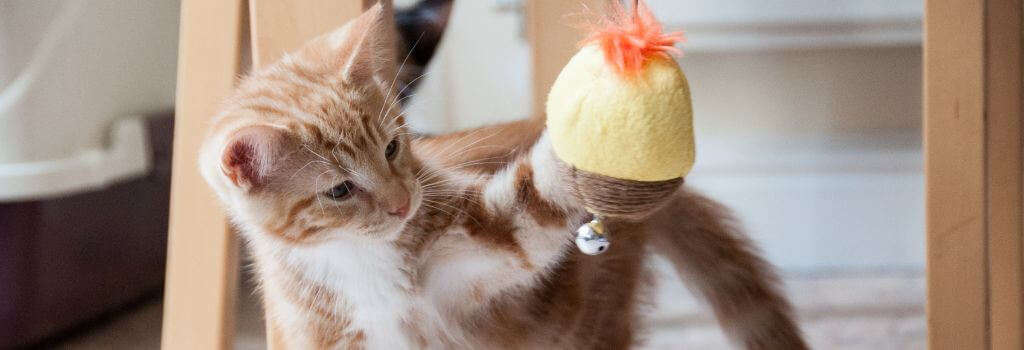
Puppies often benefit from short training games, food puzzles, supervised chew time, and interactive play that builds focus and body awareness. Kittens usually need opportunities to stalk, chase, climb, scratch, and pounce in ways that feel natural and satisfying. That is one reason the home environment matters so much, especially for kittens. Feline behavior guidance emphasizes that cats need resources that let them perform normal behaviors, including play, scratching, resting, and having some control over their surroundings.
It is also important to choose play that does not accidentally teach rough habits. Hands should not become chew toys for puppies or prey for kittens. Using toys instead helps direct natural behavior into safer and more appropriate channels while keeping interaction positive.
Growth Is Not Always Linear, and That Is Normal
Many owners expect milestone progress to happen in a straight line, but real development is usually less tidy than that. A puppy may seem comfortable one week and then become hesitant during a new fear period. A kitten may use the litter box perfectly and then have a setback after a household change. A young pet may sleep well for several nights, then suddenly struggle again after a growth spurt or schedule shift.
These changes do not necessarily mean something has gone wrong. They often mean the pet is still developing and needs a little more support, structure, or patience. The most useful question is usually not, “Why is my pet being difficult?” but “What does my pet need right now to succeed?” Sometimes the answer is more rest, more supervision, more gradual exposure, a medical check, or an adjustment in routine.
That is also why early communication with your veterinary team matters. Questions about training, appetite, stool changes, litter box habits, sleep, play, chewing, vocalizing, and social behavior are all appropriate during this stage. The first year is not only about reaching milestones. It is about building healthy patterns that support the years ahead.
Helping Puppies and Kittens Grow Into Healthy Adults
The early months with a puppy or kitten are full of change, but they are also full of opportunity. A safe home setup, reward-based training, thoughtful socialization, consistent routines, and regular veterinary care all work together to support healthy development. Those investments may seem small in the moment, but they can have a lasting effect on behavior, confidence, and wellbeing.
There is no such thing as a perfect puppy or kitten, and there is no perfect owner either. What matters most is paying attention, staying patient, and responding early when something seems off. When young pets are supported through these milestones with care and consistency, they are much more likely to grow into secure, healthy companions.
If you have questions and you'd like to reach out to us, you can call us directly at (781) 737-7820, or you can email us at info@duxburyanimalhospital.com. Don't forget to follow us on social media Facebook, Instagram.