
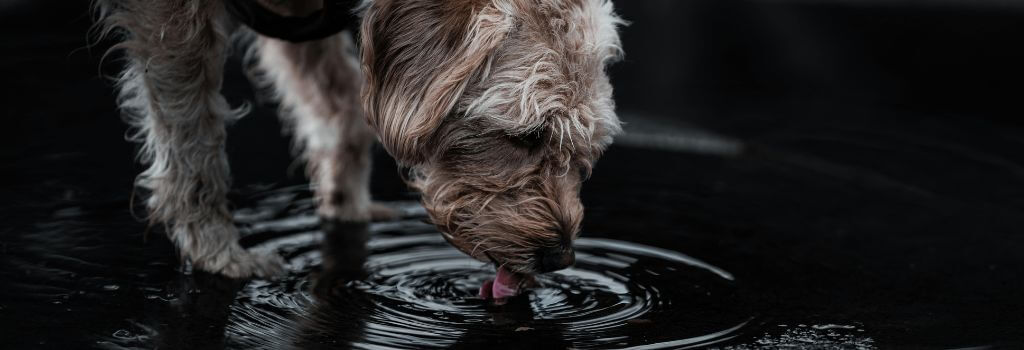
It's easy to notice when your pet's water bowl starts emptying faster than usual. Once you notice that, other signs that your pet is drinking more than usual may be easier to spot. Maybe your dog is asking to go outside more often, your cat’s litter box has larger clumps, or your pet suddenly seems interested in sinks, toilets, puddles, or extra bowls around the house. Increased thirst can happen for a number of simple reasons, such as warm weather or a recent diet change, but when a pet is drinking more water than usual and, the change continues, it can also be an early sign of an underlying health issue. Paying attention to your pet’s water habits gives your veterinary team useful information and can help concerns get addressed sooner.
How Much Water Is Normal for Dogs and Cats?
There is no single “normal” amount of water that fits every pet. A large dog will drink more than a small dog. A cat eating dry food may drink more from a bowl than a cat eating canned food. Activity level, temperature, humidity, medications, diet, and health status can all affect a pet's thirst. What matters most is your pet’s usual pattern. If your pet has always had steady water habits and suddenly begins drinking noticeably more, that change is worth tracking. Increased thirst often goes along with increased urination, so you may also notice more frequent bathroom breaks, accidents in the house, overnight restlessness, or a wetter litter box.
Veterinarians often describe increased drinking as polydipsia and increased urination as polyuria. These signs commonly appear together because many underlying conditions cause the body to produce more urine, which then makes the pet drink more to replace lost fluid.
When Extra Drinking May Be Temporary
Not every increase in thirst means something is wrong. Some pets drink more after exercise, play, warm weather, travel, salty treats, or a busy day outdoors. For example, dogs may drink more after a long walk or time at the beach, while cats may drink more if they recently switched from canned food to dry food because dry diets contain much less moisture.
Temporary thirst should improve once the situation changes. For example, a dog who drinks more after a hot afternoon should settle back into a normal pattern after resting in a cooler environment with access to fresh water. A pet who keeps drinking more for several days, starts urinating more, or has other symptoms should be evaluated. Persistent increased thirst should not be ignored, especially if it lasts more than a few days or comes with other changes. Schedule a veterinary visit if your pet is drinking more and urinating more, losing weight, eating much more or less than usual, vomiting, having diarrhea, acting tired, panting more, having accidents, or seeming uncomfortable. Senior pets, puppies, kittens, and pets with known health conditions should be checked sooner.
Seek urgent care if your pet is weak, collapsing, unable to keep water down, straining to urinate, not producing urine, severely lethargic, disoriented, or showing signs of pain. These signs may point to a more immediate medical problem.
Diet and Routine Changes Can Affect Water Intake
Many pet owners don't realize that food texture matters. Pets eating dry food usually need to drink more water than pets eating moisture-rich diets. Treats, chews, table scraps, and salty foods may also increase thirst. If your pet’s drinking changed around the same time as a diet change, note that timing for your veterinarian so they can factor that change into their evaluation.
Medication changes can matter too. Some medications may increase thirst or urination. Don't stop a prescribed medication on your own, but let your veterinarian know if you notice a change after starting something new. Your vet will be able to confirm if these are known side effects of the medication or are symptoms that need a closer look.
Health Problems That Can Cause Increased Thirst in Dogs and Cats
Many medical conditions can cause a dog or cat to drink more water than usual. Some are manageable with early diagnosis and ongoing care, but they usually cannot be identified by thirst alone. Your veterinarian will use your pet’s history, exam findings, bloodwork, urinalysis, and sometimes additional testing to narrow down the cause.
Possible causes of increased thirst in dogs and cats can include kidney disease, diabetes mellitus, Cushing’s disease in dogs, hyperthyroidism in cats, urinary tract issues, liver disease, certain infections, electrolyte changes, and some medications. Because the list is broad, guessing at home can delay the care your pet needs, so if you notice any changes in your pet's typical habits, it's always a good idea to notify their vet.
Kidney Disease
The kidneys help conserve water and remove waste products from the body. When kidney function changes, some pets produce more dilute urine and drink more to compensate. As cats with chronic kidney disease lose the ability to concentrate urine effectively, they may urinate larger volumes and drink more water.
Kidney disease can develop gradually, especially in senior pets, and increased thirst may be one of the first changes owners notice, even before appetite or energy changes become obvious.
Diabetes Mellitus
Diabetes can also cause increased thirst and urination in dogs and cats. Pets with diabetes may drink more because excess glucose affects the way the body handles water through the kidneys. Other signs can include increased appetite, weight loss, low energy, or changes in the coat.
If a pet is drinking more, urinating more, and losing weight despite eating, that combination should be checked promptly. Diabetes is treatable, but diagnosis and management require veterinary guidance.
What to Watch for Along With Increased Thirst
Increased drinking is important on its own, but the full picture of your pet's health, symptoms, and behaviors matters. Watch for changes in appetite, weight, bathroom habits, energy, behavior, breathing, vomiting, diarrhea, or mobility. These details help your veterinarian decide how urgent the situation is and what testing may be most useful.
For cats, litter box changes can be especially helpful. Larger urine clumps, more frequent scooping, urine outside the box, or a box that smells wetter than usual can all point to increased urination. For dogs, you may notice more frequent requests to go outside, longer urination, accidents, or waking overnight to urinate. If you're concerned about your pet's drinking habits, be sure to:
- Track the water bowl: Measure how much water you put down and how much is left after 24 hours.
- Watch urination: Note larger litter clumps, more frequent potty breaks, accidents, or needing to go out overnight.
- Look for appetite changes: Increased or decreased appetite can both be helpful clues.
- Check weight and body condition: Weight loss with increased thirst should be discussed with your veterinarian.
- Note behavior changes: Low energy, restlessness, hiding, panting, or seeming uncomfortable may matter.
- Write down timing: Include when the change started and whether it followed heat, travel, diet changes, or medication changes.
How Your Veterinarian May Evaluate Increased Drinking
Your veterinarian will start by asking questions about your pet’s routine. They may ask how much your pet drinks, whether urination has increased, what food and treats your pet eats, what medications or supplements they take, and whether you have noticed weight or appetite changes.
A physical exam can provide important information, but lab testing is often needed because many causes of increased thirst affect internal organs or hormone systems. Your veterinarian may recommend bloodwork and a urinalysis as a starting point. These tests can help assess hydration, kidney values, blood sugar, liver values, electrolytes, urine concentration, and signs of infection or inflammation.
Why a Urine Sample Can Be Helpful
Urine testing can be especially useful when a pet is drinking more because it shows how concentrated or dilute the urine is. It may also reveal glucose, protein, blood, crystals, bacteria, or other changes that help guide the next step in their care plan.
If your clinic asks you to bring a urine sample, ask how they prefer it collected and how soon it needs to be delivered. Some tests require a fresh sample, and some situations require a sterile sample collected at the clinic.
What You Can Do at Home Before the Appointment
Prior to your appointment, do not restrict water unless your veterinarian specifically tells you to. If your pet is drinking more because their body is losing more fluid through urine, limiting water can make them feel worse and may be unsafe. Instead, gather useful information that can help give your vet context around the situation. Measure water intake for a day or two if you can do so accurately. In multi-pet households, this may be harder, so you can also note how often bowls are being refilled, whether one pet seeks extra water sources, and whether litter box or potty habits have changed.
Keep your pet’s diet, treats, medications, and supplements consistent until you speak with your veterinarian. If you recently changed something, write it down. Small details can help your veterinary team connect the timing of the increased thirst with possible causes.
Paying Attention to Thirst Can Help Your Pet
If your pet is drinking more water than usual, the change is worth taking seriously. Sometimes the explanation is simple, such as warm weather or a shift to dry food. Other times, increased thirst can be an early sign of kidney disease, diabetes, hormone changes, infection, or another medical concern.
Tracking your pet’s water intake, urination, appetite, weight, and energy can give your veterinarian a clearer starting point. If the change continues or you notice other symptoms, schedule an exam. The sooner your veterinary team identifies the cause, the sooner they can recommend the right plan for your dog or cat.
If you have questions and you'd like to reach out to us, you can call us directly at (781) 737-7820, or you can email us at info@duxburyanimalhospital.com. Don't forget to follow us on social media Facebook, Instagram.