
Seeing “high liver enzymes” on your dog’s bloodwork can feel alarming, especially if your dog seems completely normal at home. Many dogs with liver enzyme changes are still eating, playing, and acting like themselves. Others may have vague symptoms that could fit several different problems, such as vomiting, lower appetite, low energy, or weight changes. High liver enzymes don't automatically mean your dog has liver failure. They also don't point to one single diagnosis. Liver enzyme elevations are clues on a blood test, and your veterinarian uses those clues alongside your dog’s age, symptoms, medications, exam findings, and additional testing to decide what should happen next.
What Are Liver Enzymes in Dogs?
Liver enzymes are values measured on a chemistry panel, which is a common blood test used to evaluate organ health. The enzymes most owners hear about are ALT, AST, ALP, and GGT. These abbreviations can look like alphabet soup on a lab report, but each one gives your veterinarian a different kind of information. ALT is often associated with liver cell injury. AST can also increase with liver cell injury, but it may rise with muscle injury too. ALP and GGT are often associated with bile flow, the gallbladder, certain medications, hormone-related disease, and other changes that may or may not begin inside the liver.
That is why one elevated number rarely tells the whole story. A mild ALT increase in a young dog is approached differently than a very high ALP in a senior dog with increased thirst and a pot-bellied appearance. Your veterinarian is not just looking at whether a value is high. They are looking at which value is high, how high it is, whether more than one value is affected, and whether the pattern has changed over time.
Does a High Liver Enzyme Mean My Dog Has Liver Disease?
Not always. Elevated liver enzymes can happen with primary liver disease, but they can also happen because of conditions outside the liver. Inflammation elsewhere in the body, endocrine disease, certain medications, gastrointestinal disease, toxins, gallbladder disease, and even muscle injury may influence liver-related bloodwork.
Some dogs have mild increases that are found during routine screening. In those cases, the next step may be rechecking bloodwork, reviewing medications and supplements, or adding a urine test. Other dogs have significant elevations, symptoms, or additional abnormal values that make faster diagnostics more important.
Common Reasons Dogs Have High Liver Enzymes
There are many possible reasons for elevated liver enzymes in dogs. Some are temporary and mild. Others need treatment, monitoring, or referral to a specialist. Your veterinarian will narrow the list based on your dog’s history, symptoms, and the bloodwork pattern.
- Medication effects: Some medications, including certain steroids and anti-seizure medications, can affect liver enzyme values in some dogs.
- Gallbladder or bile flow problems: Changes involving bile ducts or the gallbladder may increase enzymes such as ALP or GGT.
- Endocrine disease: Conditions such as Cushing’s disease can be associated with enzyme changes, especially ALP.
- Inflammation or infection: Liver inflammation, systemic illness, or inflammatory disease in other organs may affect liver values.
- Toxins: Certain plants, chemicals, human medications, moldy foods, and other exposures can injure the liver.
- Congenital or inherited conditions: Some dogs are born with blood vessel abnormalities or breed-associated liver concerns.
- Cancer or nodular changes: Older dogs may develop liver masses, nodular changes, or cancers that affect bloodwork.
This list can feel wide, and that is exactly why a single abnormal liver enzyme should not be treated as a diagnosis. The same lab value can have very different meaning in two different dogs. A veterinarian’s job is to sort out whether the change looks mild and monitorable, suspicious for an underlying disease, or urgent.
Symptoms That May Happen With Liver Problems in Dogs
Some dogs with high liver enzymes have no symptoms at all. Their bloodwork changes may be found during an annual exam, pre-anesthetic screening, or monitoring for another condition. Other dogs have signs that are easy to confuse with stomach upset, aging, stress, or a change in routine.
Possible signs include vomiting, diarrhea, lower appetite, weight loss, increased thirst, increased urination, low energy, drooling, abdominal swelling, or behavior changes. More concerning signs can include yellowing of the gums or eyes, dark urine, pale stool, bruising, bleeding, disorientation, seizures, or collapse. These signs should be reported promptly, especially if your dog’s bloodwork is already abnormal. Liver-related symptoms can be vague because the liver is involved in many important body functions, including digestion, metabolism, bile production, blood clotting support, and processing substances in the bloodstream. When the liver is irritated or not working normally, the effects may show up in more than one body system.
What Follow-Up Tests Might My Veterinarian Recommend?
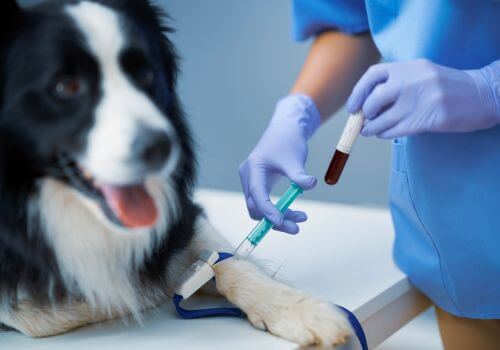
Follow-up testing depends on the enzyme pattern and your dog’s overall condition. If your dog has a mild elevation and no symptoms, your veterinarian may recommend repeating bloodwork after a short interval. This helps show whether the value is returning to normal, staying the same, or continuing to rise.
If the elevation is more significant, persistent, or paired with symptoms, additional testing may be recommended. This can include a complete blood count, urinalysis, bile acid test, abdominal ultrasound, X-rays, clotting tests, infectious disease testing, endocrine testing, or sampling of the liver.
Imaging can be especially helpful when your veterinarian needs to look at the liver and gallbladder structure. Ultrasound may show changes such as gallbladder concerns, nodules, masses, altered liver texture, or changes in nearby organs. In some cases, a biopsy or aspirate is needed to understand what type of liver disease is present.
How Are High Liver Enzymes Treated?
Treatment depends on the cause. There is no single treatment for “high liver enzymes” because the enzymes are the finding, not the disease. A dog with a medication-related enzyme change may need a medication review, while a dog with gallbladder disease, Cushing’s disease, hepatitis, toxin exposure, or cancer needs a very different plan.
Your veterinarian may recommend diet changes, liver-support medications, supplements, antibiotics, anti-nausea medication, anti-inflammatory treatment, surgery, or referral depending on the diagnosis. Some dogs only need monitoring if the changes are mild and the dog feels well. Others need more immediate treatment, especially if bilirubin is high, the dog is jaundiced, or there are signs of liver dysfunction.
It is important not to start liver supplements or change your dog’s diet without veterinary guidance. Supplements can vary in quality, may interact with medications, and may not address the real reason the enzymes are elevated. A targeted plan is more useful than treating the lab number alone.
Questions to Ask Your Veterinarian About Your Dog’s Bloodwork
When your dog’s liver enzymes are high, it helps to ask specific questions rather than trying to interpret the lab report on your own. Your veterinarian can explain which values are abnormal and how concerning the pattern looks for your dog. They can also tell you whether the change appears new, persistent, mild, moderate, or severe.
- Which liver enzymes are elevated, and how high are they?
- Do the results suggest liver cell injury, bile flow changes, or something else?
- Are bilirubin, albumin, glucose, cholesterol, or clotting values normal?
- Could any medications, supplements, or recent illnesses be affecting the results?
- Should we recheck bloodwork, run bile acids, or schedule imaging?
- Are there symptoms that mean I should call sooner?
- Should my dog’s diet, medications, or supplements change right now?
These questions can make the next step clearer. They also help you understand whether your dog needs urgent evaluation or a slower, step-by-step workup. In many cases, trends over time are more helpful than one isolated result.
When High Liver Enzymes Are More Urgent
Some bloodwork changes can be monitored, but others should not wait. Contact your veterinarian promptly if your dog has vomiting that continues, refuses food, becomes very lethargic, develops a swollen abdomen, seems painful, or shows yellowing of the eyes, gums, or skin. Yellowing, also called jaundice or icterus, can point to a more serious liver, gallbladder, or red blood cell problem.
Emergency care may be needed if your dog collapses, has seizures, seems disoriented, has uncontrolled bleeding, vomits repeatedly, or may have eaten a toxin. Bring medication bottles, supplement labels, plant names, or photos of anything your dog may have ingested. That information can help the veterinary team act quickly. Even if your dog seems normal, don't ignore persistent liver enzyme elevations. Chronic liver disease can be quiet early on, and early workup may give your veterinarian more options. The goal is not to panic over one result. The goal is to understand what that result means for your dog.
If you have questions and you'd like to reach out to us, you can call us directly at (781) 737-7820, or you can email us at info@duxburyanimalhospital.com. Don't forget to follow us on social media Facebook, Instagram.